wellness
Tampines Heat, Light, Noise Destroy Sleep for Thousands Nightly
Singapore's equatorial climate and the 24-hour urban hum create a perfect storm for poor sleep, and Tampines residents are feeling it more than most.
How we reported this
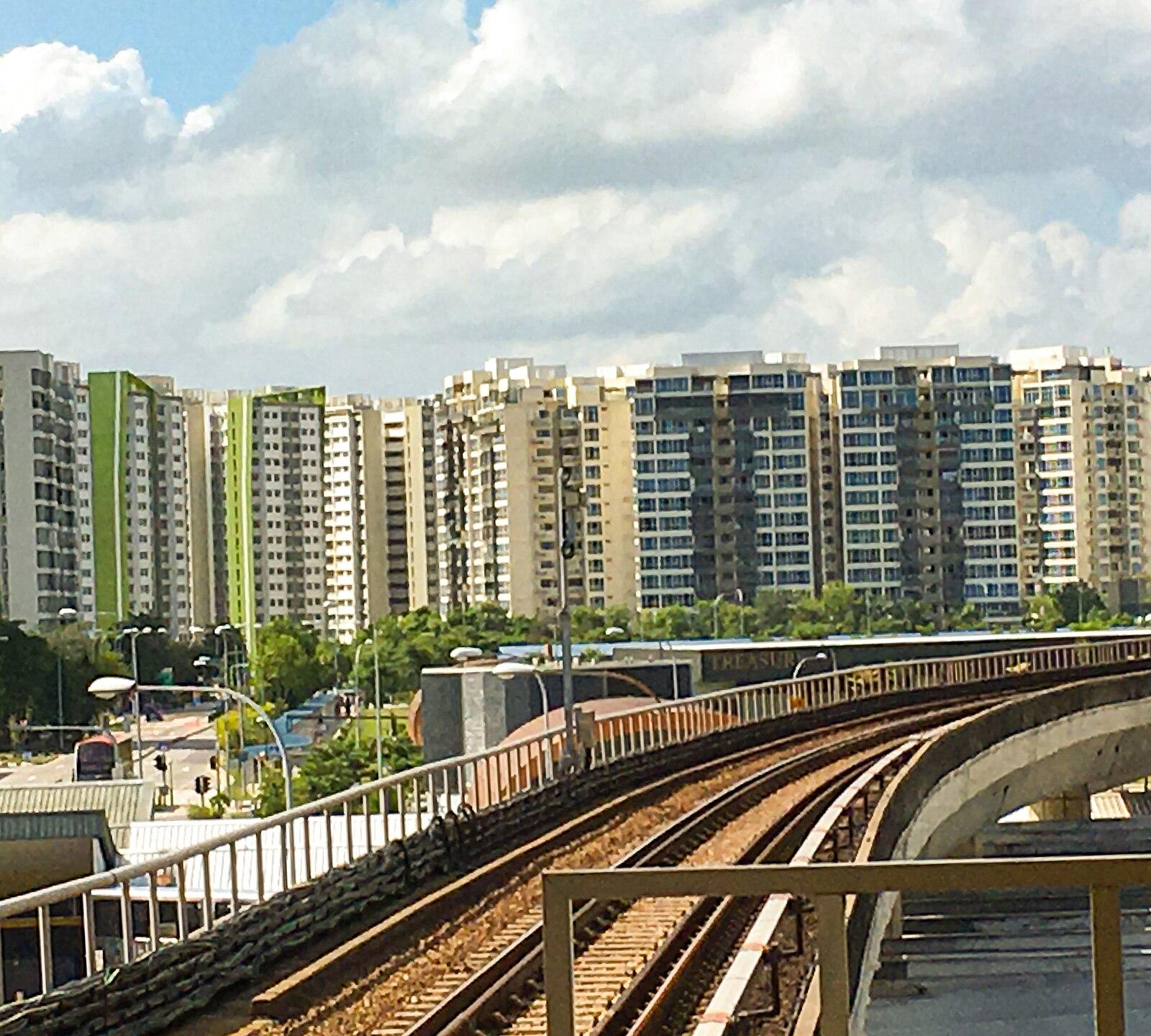
Singapore's mean overnight temperature hit 27.1°C in June 2026, according to the Meteorological Service Singapore, two full degrees above the threshold sleep researchers at the National University of Singapore's Yong Soo Loo Sleep Research Centre identify as the point where core body cooling, the trigger for deep sleep, begins to stall. For residents in Tampines, where dense HDB blocks along Tampines Avenue 1 and Tampines Street 82 trap radiated heat well past midnight, the numbers are more than academic.
Sleep health has moved sharply up the public conversation this year, partly because new research is clarifying just how much the physical environment, not stress, not screen time, drives the problem. Heat, artificial light and ambient noise form a triad that disrupts the sleep architecture most adults need: roughly 7 to 9 hours with adequate slow-wave and REM cycles. Fix the environment, researchers increasingly argue, and many people sleep better without any medication at all.
The Tampines Problem: Light, Heat and the MRT Corridor
Tampines is one of Singapore's most active towns, and that energy does not switch off at 10 p.m. The Tampines Regional Centre, anchored by Tampines Mall and Century Square along Tampines Central, generates significant light spill. Street lighting along the Tampines Expressway interchange runs at roughly 3,000 to 4,000 lux at road level, enough that bedrooms facing west or north in blocks near Tampines Hub pick up measurable artificial light even through curtains. The Downtown Line's Tampines West MRT station, which began 24-hour weekend operations in March 2025, added a new layer of low-frequency vibration noise that residents in blocks along Tampines Street 45 have flagged in multiple town council feedback sessions.
Noise is the most underestimated of the three factors. Research published in the journal Sleep Medicine Reviews in early 2026 found that intermittent noise above 40 decibels, roughly the level of a quiet conversation, caused measurable micro-arousals in sleeping adults even when they did not consciously wake. Traffic on Tampines Avenue 4 regularly reads between 55 and 65 decibels during late-evening hours, measured in a 2025 National Environment Agency ambient noise survey of eastern Singapore.
Temperature compounds everything. The body needs its core temperature to drop by approximately 1°C to initiate sleep. Running air conditioning at 25°C or below helps, but it costs roughly S$80 to S$120 per month in additional electricity for a standard three-room HDB flat running a split-unit overnight, according to SP Group's 2026 residential tariff calculator. Many households compromise by setting units at 27°C or simply using fans, enough to feel cooler but often not enough to drive the physiological drop the brain needs.
Practical Steps Residents Are Already Taking
Tampines ActiveSG gym at Tampines Hub, open until 10 p.m. on weekdays, offers evening yoga and stretching classes that practitioners say help lower resting heart rate and body temperature before bed, a plausible mechanism given that light exercise two to three hours before sleep has been associated with faster sleep onset in several controlled trials. The Tampines Changkat Community Garden, a green corridor running behind blocks in Tampines Street 11, provides a rare pocket of natural darkness and relative quiet that some residents walk through deliberately before turning in.
Blackout curtains remain the single most cost-effective environmental fix, available at IKEA Tampines from around S$39 for a standard panel. Pairing them with a consistent sleep window, the same bedtime and wake time seven days a week, not just on work nights, does more than most supplements. The global melatonin supplement market crossed US$1.3 billion in 2025, a figure that researchers note reflects how commercially dominant the pill-first approach has become, even though environmental correction addresses root causes more directly.
The Tampines Polyclinic on Tampines Street 81 runs a Health Promotion Board-linked chronic disease management programme that includes sleep hygiene screening for patients with hypertension and diabetes, conditions for which poor sleep is now considered a contributing risk factor. Residents who suspect their sleep problems go beyond environment, including those with loud snoring, excessive daytime fatigue or difficulty breathing at night, should book an appointment there rather than self-diagnosing. The environment is a starting point, not the whole answer.