wellness
Broken Hours, Broken Sleep: Practical Strategies for Chinatown's Shift Workers
From overnight kitchen crews to early-morning dim sum prep cooks, irregular sleep is Chinatown's quiet health crisis, and experts say small changes can make a real difference.
Listen in English · 4 min
How we reported this
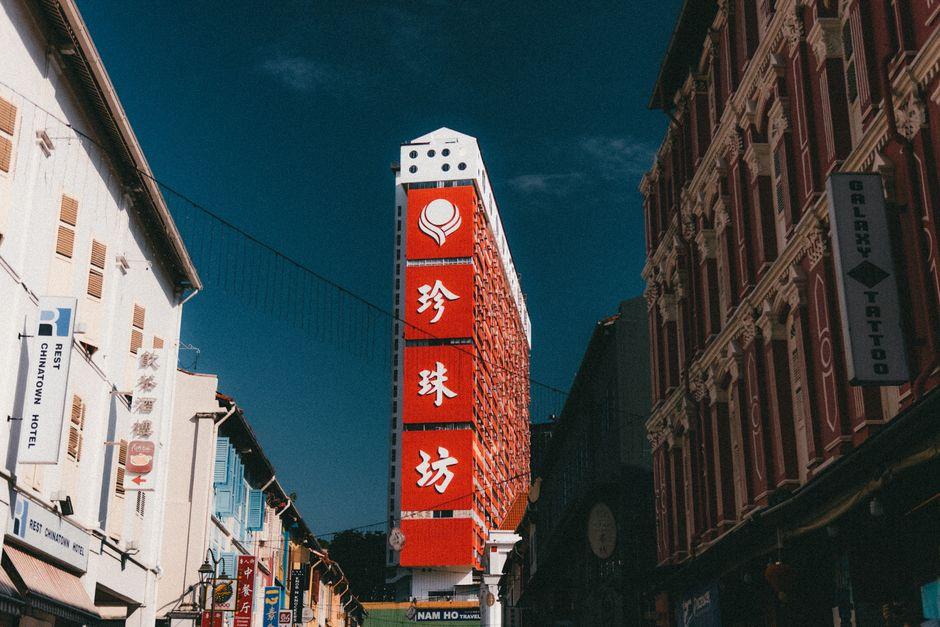
The woks at several Dixon Street restaurants are fired up by 5 a.m. By the time most of the city stirs, the workers who stocked, prepped and cooked those first sittings are already exhausted. Shift work is the backbone of Chinatown's hospitality economy, and chronic sleep disruption is the price many of its workers pay.
Hormonal research published this northern hemisphere summer has sharpened focus on how sleep quality directly affects cortisol, melatonin and metabolic function. For workers running on fractured, rotating schedules, those effects compound fast. Melatonin, the hormone that signals the body to sleep, is particularly vulnerable to irregular light exposure and inconsistent bed times, two constants of shift life.
The problem isn't new, but the scale of it in dense hospitality precincts like Chinatown is increasingly documented. According to the Sleep Health Foundation, approximately 1.5 million Australians, around nine percent of the workforce, work rotating or permanent night shifts, and those workers report clinically significant sleep disorders at roughly double the rate of standard day workers. Fatigue-related errors, cardiovascular strain and mood disorders all climb alongside the sleep debt.
Where Chinatown Workers Are Finding Support
Two organisations operating within the precinct are starting to respond. The Chinatown Business Association, headquartered on Hay Street, began incorporating sleep health into its 2026 worker wellbeing program in March, partnering with the Dixon Street Community Health Outreach desk, a satellite service running Tuesday and Thursday afternoons, to distribute Mandarin and Cantonese-language resources on circadian rhythm management. The outreach desk, tucked inside the Chinatown Centre ground floor, offers free 15-minute consultations with a registered nurse and can provide referrals to sleep specialists.
Several workers have also turned to the Paddy's Markets precinct yoga studio on Thomas Street, which added a restorative yin class at 6:30 a.m. specifically to serve hospitality staff finishing overnight shifts. The 75-minute session costs $18 per drop-in and focuses on parasympathetic nervous system activation, the physiological state that makes deep sleep accessible. Attendance has grown steadily since the January launch, with the studio reporting near-full classes on Friday and Saturday mornings when hospitality shift traffic peaks.
What the Evidence, and Local Practitioners, Suggest
Sleep scientists are consistent on a handful of strategies that actually move the needle for shift workers. Light control is first. Wearing amber-tinted glasses for the final hour of a shift blocks the blue-spectrum light that suppresses melatonin production. A pair costs between $20 and $45 at the chemist on George Street near the Market City entrance. Blackout curtains in the bedroom are equally non-negotiable, daytime sleep is sabotaged by ambient light regardless of how tired the body is.
Anchor sleep is the second strategy gaining traction. Rather than chasing a full eight hours at a single stretch, often impossible on rotating rosters, sleep researchers recommend identifying a consistent two-to-four-hour block that never shifts, even on days off. That anchor stabilises the circadian system enough to improve overall sleep quality across the week. Workers report that pairing this with a strict no-screens rule for 30 minutes before the anchor period amplifies results.
Eating timing matters more than most shift workers realise. The gut has its own circadian clock, and eating large meals during hours when the body expects to sleep disrupts both digestion and melatonin signalling. Light, low-glycaemic options, congee, steamed vegetables, tofu, work better as post-shift meals than heavier restaurant staff meals, which are often calorie-dense and late.
For Chinatown workers wanting structured help, the Dixon Street Community Health Outreach desk is the most accessible starting point. Walk-ins are welcome on Tuesdays and Thursdays between 1 p.m. and 4 p.m. The Thomas Street yoga studio also maintains a waitlist for its early morning restorative class. Anyone experiencing persistent insomnia, mood changes or cardiovascular symptoms alongside shift work should speak with a local general practitioner before making significant changes to sleep routines.