wellness
A Beginner's Guide to Starting a Meditation Practice in Chinatown
Forget the incense and the hour-long sessions, here's how to actually build a meditation habit in one of the city's most energetically charged neighbourhoods.
Listen in English · 4 min
How we reported this
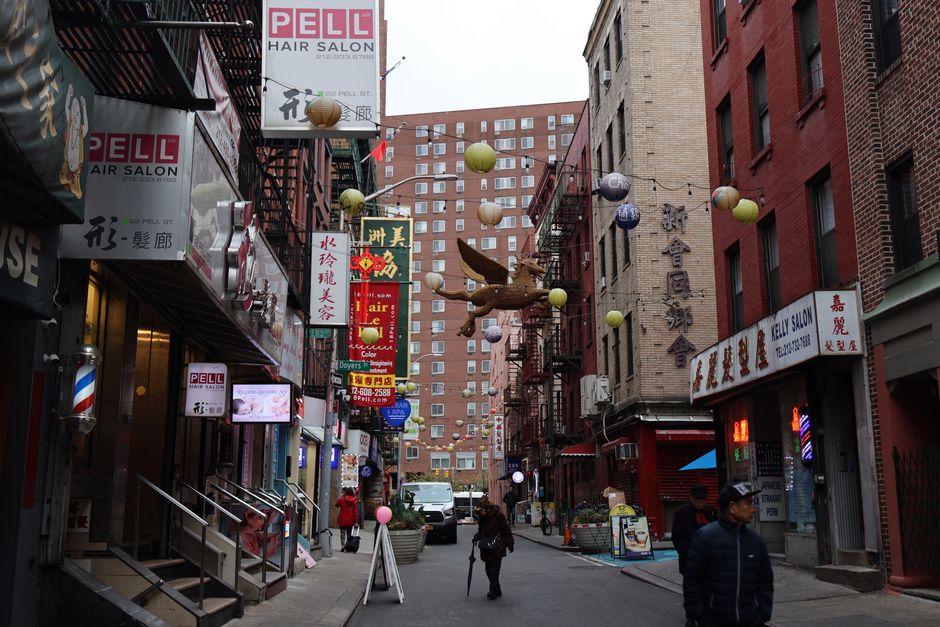
More people in Chinatown are sitting still on purpose. Walk along Dixon Street on a weekday morning before the lunch rush and you'll find the back rooms of at least three wellness studios already occupied, cushions on the floor, phones face-down, timers set for twelve minutes. The neighbourhood's long-running tradition of tai chi in Tumbalong Park has been joined by a quieter movement: seated, breath-focused meditation, and it's pulling in beginners who have never done it before.
The timing makes sense. Conversations about hormones, sleep, and mental load are louder than they've been in years, with interest in melatonin, cortisol management, and stress reduction spiking across health media globally. People are looking for low-cost, evidence-backed tools that don't require a prescription. Meditation keeps coming up as exactly that. But for first-timers, the gap between knowing they should try it and actually doing it stays stubbornly wide.
Where to Start in the Neighbourhood
Two venues on the edge of Chinatown have built genuine beginner programmes worth knowing about. The Qi Wellness Centre on Ultimo Road runs a six-week Introduction to Mindfulness course, with the next intake starting 14 July 2026 at $95 for the full series, roughly $16 a session. Sessions run Tuesday evenings at 6:30 pm and cap at twelve participants, which keeps the room small enough that a newcomer doesn't feel anonymous. No prior experience is expected, and the first session is structured specifically around dispelling the most common beginner misconception: that the goal is to stop thinking entirely.
It isn't. The goal, according to the programme's printed materials, is simply to notice when the mind has wandered and return attention to the breath. That's the whole practice. You do it for ten minutes, the mind wanders forty times, and you return it forty times. Each return is the repetition. Think of it less like emptying a glass and more like doing a bicep curl with your attention.
The Buddha's Light International Association branch on George Street, just north of the Dixon Street mall, holds free guided meditation mornings on the first Saturday of each month. The July session falls on 5 July. These draw a mixed crowd, regulars who have been coming for a decade and people who have never meditated once. Both are welcome. The association also keeps a small lending library of printed guides in English, Cantonese, and Mandarin.
What the Evidence Actually Says
The case for starting is not soft. A 2023 meta-analysis published in JAMA Internal Medicine, covering 47 randomised controlled trials and more than 3,500 participants, found that mindfulness meditation programmes produced moderate improvements in anxiety, depression, and pain. The effect sizes were comparable to antidepressants for mild-to-moderate anxiety, with no side effects logged. Eight weeks was the minimum duration at which consistent benefit appeared, which is why single-session apps or one-off drop-in classes tend to feel good but don't hold.
The most common reason beginners quit within the first two weeks is not boredom, it's the expectation that they're doing it wrong. Research published in Psychological Science in 2024 found that practitioners who were told explicitly that mind-wandering is normal showed 34 percent higher session-completion rates at the four-week mark than those given no such framing. Knowing the mechanism helps.
A realistic starting point: five minutes a day, same time, same spot. Morning tends to work better than evening for beginners because decision fatigue hasn't set in yet. A kitchen chair is fine. The floor is fine. A $4 app timer is fine. The Qi Wellness Centre and similar local studios recommend anchoring the new habit to something already in the morning routine, right after a first cup of tea, for instance, before the phone gets checked.
For anyone who wants to explore further, both the Qi Wellness Centre and the Buddha's Light International Association on George Street keep updated schedules on their front noticeboards and via WeChat community groups active in the Chinatown area. As with any new health practice, speaking with a local medical professional before you begin is worth doing, particularly if you're managing anxiety or other mental health conditions where structured clinical support may be more appropriate alongside any self-directed practice.